




Managing flies around horses is yearly challenge for all horse owners but it is essential for their comfort and health, especially in warmer months. Understanding the different types of fly species can help us adopt an effective management routine.
- House Flies are attracted to manure and feed spills. Keep stables clean, use fly predators like parasitic wasps, and deploy fly traps to control them.
- Stable Flies prefer decaying organic matter. Use fly sprays and leg wraps for the horses, and maintain a clean stable to minimise their presence.
- Horse Flies are drawn to moist areas and standing water. Where possible remove standing water, use fly sheets and masks, and apply strong repellents to deter them.
- Deer Flies, these are similar to horse flies and thrive in humid environments. Place fly traps in problem areas, use targeted repellents, and keep horses stabled during peak activity times.
- Face Flies are attracted to moisture around the eyes and nose. Use fly masks and clean the horse’s face regularly to prevent irritation and infection.
- Bot Flies lay eggs on the horse’s coat. Regular grooming, using bot knives to remove eggs, and consulting your vet for treatment if necessary can help manage them.
Applying these targeted strategies can significantly reduce the impact of flies on your horses however no method is 100% effective and we often find ourselves having to manage the symptoms of fly bites on our equine friends.
Fly bites on horses can cause significant discomfort and health issues. The irritation leads to itching, causing horses to scratch or rub excessively, which can result in sores. Painful bites from flies like horse flies and stable flies can also cause stress to horses, making them restless and reducing their grazing time.
Some horses may experience allergic reactions, resulting in swelling and hives. This can affect their behaviour, performance, and training. Additionally, flies can transmit diseases such as equine infectious anaemia and pink eye, and scratching can lead to secondary infections.
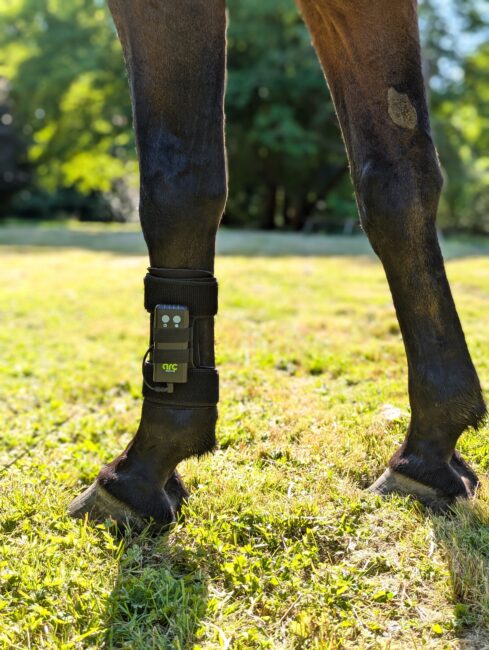
The great news is that the ArcEquine can help you manage these symptoms! Microcurrent therapy can help reduce the inflammation and discomfort that are typical symptoms of fly bites and promote healing of open wounds that naturally attract flies. Used regularly the ArcEquine can maximise general health and wellbeing for your horse which helps their bodies to cope better with the effects of summer fly bites.
 Adopting these preventative and management techniques can help you minimise the impact of flies, keeping your horse healthy and comfortable allowing you both to enjoy the summer months whilst they are here!