



As the ground conditions begin to improve, many riders will be eagerly waiting for Cross County Courses to open after the winter break. Cross-country schooling is a crucial aspect of preparing both horse and rider for eventing competitions.
Here are some key points to consider when planning and executing cross-country schooling sessions:
Venue Selection: Choose a reputable cross-country schooling facility or venue with a variety of fences and terrain options suitable for your horse’s level of experience and training.
Safety Measures: Ensure all safety equipment is in place, including certified helmets and body protectors for riders, and appropriate boots or bandages for the horse. Inspect the cross-country course and fences for any hazards or damage before schooling begins.
Warm-Up: Start with a thorough warm-up session to loosen up your horse’s muscles and joints. This may include walking, trotting, and cantering on flat ground and over small obstacles.
Progressive Approach: Begin with simple, inviting fences to build confidence and establish a positive mindset for both horse and rider. Gradually increase the difficulty and height of the fences as the session progresses.
Technical Exercises: Practice riding lines, turns, and combinations similar to those found on eventing courses.
Work on adjustability and responsiveness by varying the horse’s stride length and speed between fences.
Water and Ditch Training: Introduce your horse to water jumps and ditches if they are not already familiar with them. Use positive reinforcement and encouragement to build confidence and trust in navigating these obstacles.
Terrain Variation: School over different types of terrain, including slopes, hills, and uneven ground, to prepare your horse for the challenges of riding cross-country. Practice riding up and down hills at various speeds and in different gears to improve balance and strength.
Cool Down and Recovery: Allow plenty of time for your horse to cool down and recover after each schooling session. Walk your horse on a loose rein to encourage stretching and relaxation of muscles.
Feedback and Reflection: Take note of your horse’s performance during the schooling session, including strengths, weaknesses, and areas for improvement. Reflect on your own riding and decision-making, and consider seeking feedback from a coach or trainer if available.
Consistency and Progression: Schedule regular cross-country schooling sessions to maintain and improve your horse’s skills and confidence over time. Gradually increase the complexity and difficulty of the exercises as your horse progresses.
Enjoyment: Keep the sessions fun and enjoyable for both you and your horse. Praise and reward your horse for good efforts, and approach each schooling session as an opportunity to learn and grow together.
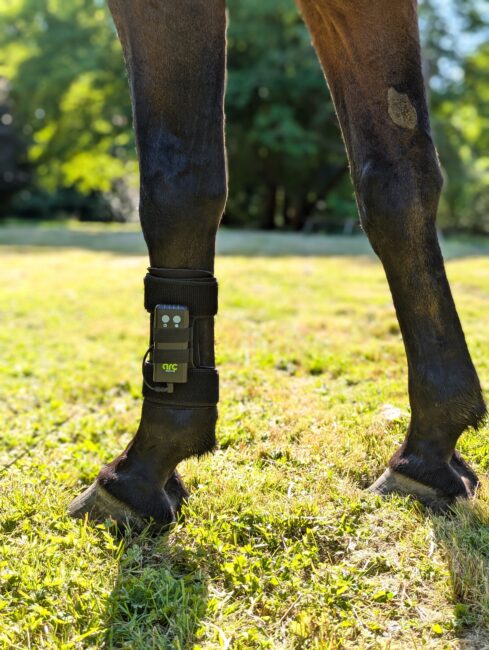
Remember your horse has most likely had a break from Cross Country over the winter months and his body will not be used to the physical demands of a Cross Country Schooling Session. The ArcEquine can play a key role in supporting your horse as you prepare for the upcoming eventing season. The ArcEquine Microcurrent therapy aims to support the naturally occurring biocurrents within the body in order to boost the production of Adenosine Triphosphate (ATP). ATP provides the cell (and in turn the body) with the energy required for normal everyday functioning, reduce inflammation and pain, supporting your horse through the physical demands of Cross Country Schooling and the increased workload as the eventing season begins.
By incorporating these principles into your cross-country training, you can effectively prepare your horse for the challenges of eventing competitions and build a strong foundation for success in the sport.